A First Visit to an Unfamiliar Fitness Space
A first visit to an unfamiliar fitness space feels easier when you know what to notice, which areas fit your plan, and when to ask staff for help.
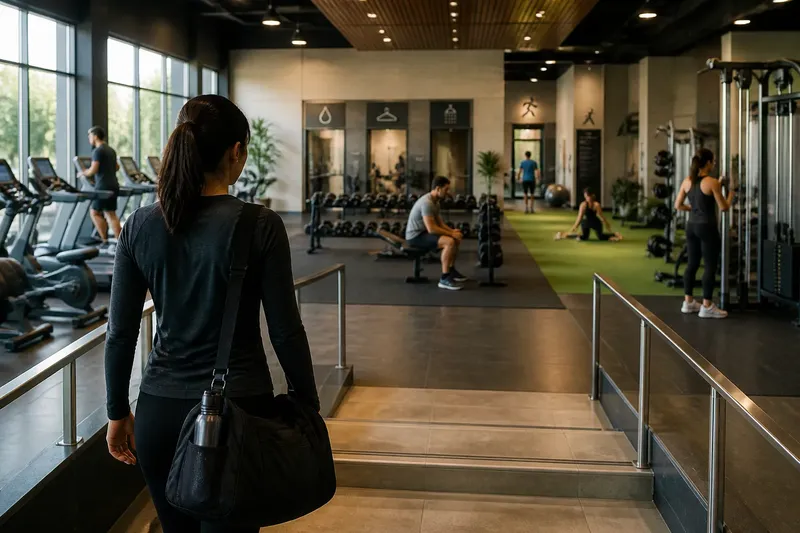
A first visit to an unfamiliar fitness space goes more smoothly when you treat arrival as a chance to orient yourself, not a test of how quickly you can begin exercising. Pause at the entrance, notice the room’s layout, and identify the areas that match the activity you came to do. You do not need to understand every machine or claim a spot right away.
A gym, recreation center, hotel fitness room, or studio may arrange its equipment differently. Even familiar tools can be placed in unfamiliar ways. A calm first visit gives you time to see how the space works, choose a sensible starting point, and ask staff about anything you cannot identify. The aim is to begin with a plan that fits both your activity and the room.
What should you do before entering the workout area?
Before you leave the front desk or reception area, check in as the facility requires and ask where visitors should put their belongings. Look for signs about access, changing rooms, water, towels, and any areas reserved for particular activities. A staff member can also tell you whether the room is open for general use or currently organized for a class.
Keep your intended session simple. If you came to walk, cycle, stretch, or use a few resistance machines, hold that plan in mind rather than trying to tour every corner. A clear purpose makes it easier to notice the relevant part of the room without feeling that you have to learn the whole facility at once.
Say you arrive at a recreation center intending to cycle indoors, but the front room contains treadmills, benches, and a row of closed doors. You can ask the desk where the stationary bikes are and whether a class is using that area. The expected result is a direct route to the equipment you need, with less wandering and less chance of interrupting an organized session.
How can you read the layout without rushing?
Once inside, stop somewhere that does not block a doorway, equipment, or the path between stations. Take a moment to scan the room. Notice the main routes, the location of the activity areas, and where people tend to pause or move between exercises. This is observation, not an invitation to judge how anyone else is training.
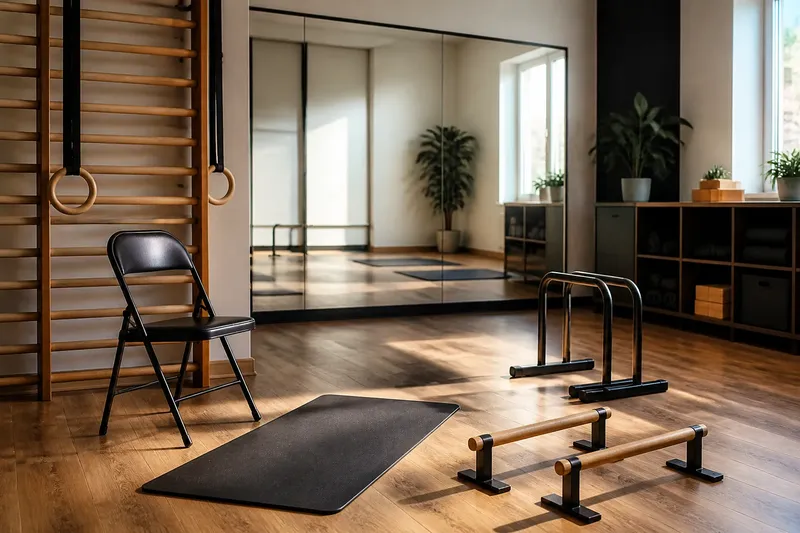
Many spaces separate activities by broad function. Cardio equipment may sit together, free weights may occupy another section, and mats or open floor may be set aside for mobility and body-weight movement. A studio may have a distinct entrance or a schedule posted nearby. These patterns can help you find your way, but the facility’s signs and staff are more reliable than assumptions based on another gym.
Look for practical details that affect your route: water access, storage for bags, a place to wipe down equipment, and clear paths around heavier or moving gear. If you are carrying a coat or a bag, put it where the facility allows rather than beside a machine or in a walkway. Small choices like this let other people use the room without having to work around your belongings.
Keep your first scan brief. You are trying to find the next useful place to stand, not memorize the building.
Which area fits the activity you planned?
Match the activity to the room before choosing a specific piece of equipment. For a walk or easy run, the cardio area may be the natural starting point. For a mobility session, look for an open floor area with enough space to move without crossing someone else’s path. For resistance work, note whether the facility has machines, free weights, or both, and choose only what you already understand or can have explained.
Pay attention to how people are using the space. Someone may be resting between sets near a bench, while another person is using nearby dumbbells. A mat placed on an open patch of floor can still be too close to a doorway or another person’s movement. Give others room to finish, pass, and set up without having to squeeze by you.
If the area you expected is busy, you can wait, choose a familiar alternative, or ask staff whether another suitable space is available. Changing the plan is not a failure. It is a practical response to the room in front of you, especially on a first visit when you may not yet know the quieter corners or the facility’s usual traffic.
What should you ask before using unfamiliar equipment?
Do not guess how a machine works because its shape looks familiar. Ask a staff member to identify its purpose and explain the basic setup, controls, and any adjustments you need to understand before using it. If staff are not immediately available, leave that equipment aside and use something you know or continue with another part of your plan.
Useful questions can be short and specific:
- “Could you show me how this machine is adjusted?”
- “Is this area open for individual use right now?”
- “Where can I find a mat or a clear space for stretching?”
- “Is there a beginner orientation for the equipment?”
Pointing to a control or adjustment can make your question clearer. Listen to the explanation, then decide whether you feel comfortable proceeding. You can decline to use the equipment if the setup still feels unclear; a first visit does not require trying everything in the room.
Follow the facility’s posted instructions and any relevant equipment labels. Where a machine’s operation or access rules are unclear, ask staff rather than relying on a guess.
How do you settle into the session?
Begin in a place that feels understandable and leaves room for you to move. You might choose a familiar cardio machine, a clear patch of floor, or a resistance station you have used before. Take a moment to arrange your towel and water without spreading your belongings across a neighboring space.
Notice how the room flows while you exercise. Check that you are not blocking a route, reaching across someone else’s station, or leaving equipment where another person could trip over it. If you need to move between areas, carry only what you need and return shared items to the place the facility indicates.
For unfamiliar equipment, keep the decision simple: ask for an explanation, use a different option, or skip it for this visit. You can learn the room over several visits rather than turning your first session into an equipment survey.
What questions can help on a first visit?
Should you ask for a tour?
Yes, if you cannot tell where the relevant areas or basic facilities are. Ask whether staff can give you a brief orientation or point out the rooms you need, and make clear that you are looking for the essentials rather than a full tour.
Is it awkward to ask how a machine works?
No. A clear question is a sensible way to avoid guessing about adjustments or controls. Staff can explain the equipment, and you can choose another activity if the explanation does not leave you comfortable using it.
What if the area you need is occupied?
Wait without crowding someone’s station, ask staff about an alternative, or choose a familiar activity in another open area. A small change to your plan can keep the session calm while you learn how the facility is arranged.
Do you need to try every part of the gym?
No. Use the parts that serve your intended activity and leave unfamiliar stations for another time. Learning the room gradually is a reasonable way to make future visits feel more familiar.
How can you leave with a clearer plan for next time?
As you finish, return equipment and personal items to their proper places, and follow the facility’s expectations for wiping down shared surfaces. If a staff member helped you, a brief thank-you is enough. Before you go, notice which entrance you used and how to reach the area you found most useful.
You may also make a mental note of one unresolved question, such as whether a studio needs advance booking or where the facility keeps mats. Ask about it before your next session rather than trying to infer the answer from a sign you did not understand.
A first visit to an unfamiliar fitness space can be successful without covering much ground. The useful result is knowing where to go for your intended activity, which equipment you can use comfortably, and whom to ask when something is unclear. Next time, start with that small map and add one new detail only if it helps.