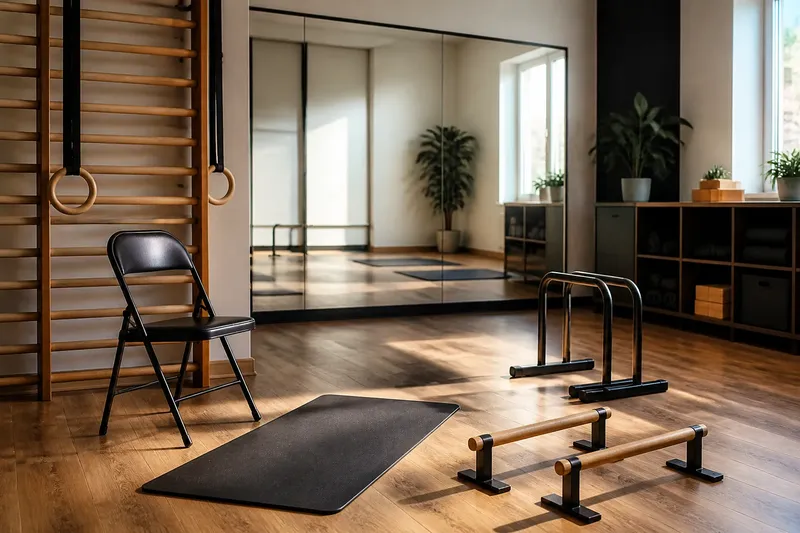
The Warm-Up as a Bridge Between Stillness and Effort
A gradual warm-up helps you shift attention and movement toward the main activity, with a flexible sequence that fits the session rather than a fixed ritual.

A good warm-up begins where you are, not where the workout expects you to be. If you have been sitting at a desk, the first minutes of movement should feel different from the first minutes after a brisk walk. A warm-up is a bridge between stillness and effort: it gives attention and movement time to turn toward the activity ahead without promising protection from injury.
That bridge need not follow a memorized routine. It can be a short, adjustable sequence that responds to your starting point, the room, and the work you plan to do. The useful question is not whether you completed a ritual, but whether your movement is becoming more specific to the session.
What should a warm-up change?
A warm-up shifts several things at once. You move from low activity toward the motions your session will ask of you. You also begin noticing how the body is responding: whether a joint feels stiff, whether your breathing settles as you move, and whether the planned range of motion feels familiar.
This is not a diagnostic test. A warm-up cannot rule out injury or make strenuous exercise safe by itself. It can, however, offer a moment to choose a sensible starting pace. If a motion feels sharply painful or unexpectedly difficult, pause and adjust the session rather than forcing the movement to match the plan.
Think of the sequence as a gradual change in demand. Start with easy, general movement. Then make the movements resemble the main activity. If the session includes effortful work, let the opening portion be comfortably controlled before asking for more.
How can you shape the warm-up across a morning?
A morning routine can be treated as a sequence of decisions rather than a fixed number of minutes. The following plan shows what to do when, while leaving room to shorten or extend a stage according to how you feel and what the session requires.
- When you arrive from sitting: begin with easy walking, gentle marching in place, or relaxed arm swings. Keep the effort low enough that you can speak comfortably. The purpose is simply to leave stillness.
- When movement feels less abrupt: choose a few motions related to the session. For a lower-body workout, that might mean controlled body-weight squats or step-backs. For an upper-body session, use easy arm circles and light, comfortable reaching.
- When the main movement is clear: practice its basic shape at an easy pace. A runner might walk and then jog gently; someone preparing to lift might rehearse the movement without a challenging load. Keep the motion smooth rather than chasing depth or speed.
- When the session asks for more effort: make the last part of the warm-up resemble that effort, but keep it controlled. A faster interval session might include a few brief, relaxed increases in pace; a strength session might use lighter practice repetitions before harder work.
- When something feels wrong: stop that movement, choose a more comfortable option, or change the planned session. Persistent or concerning pain is a reason to seek advice from a qualified health professional.
Say you have spent the morning at a computer and plan to take an easy neighborhood run. You start by walking along the block, continue with a few minutes of gentle jogging, and notice that your stride feels comfortable at an unhurried pace. You then begin the run gradually instead of setting off at your intended steady pace. The observable result you are looking for is a smoother transition into running, not proof that the session is risk-free.
How should the warm-up change with the activity?
Specificity matters more than complexity. A warm-up for a recreational bike ride can move from easy pedaling to a comfortable cadence before any hills or harder efforts. Before a dance class, gentle steps and arm patterns can bring attention to timing and direction. Before a strength session, practice the shapes you will use, beginning with little or no external resistance.
There is no need to turn every warm-up into a separate workout. If the opening movements become tiring, they may be taking too much from the activity that follows. Keep the early portion easy and let the later portion approach the session’s demands without exhausting you.
Equipment can help, but it is not the point. A stationary bike, a clear patch of floor, or an empty stretch of sidewalk may provide a convenient place to begin. Choose what lets you move comfortably and transition into the planned activity without adding unnecessary complexity.
What should you do if you have little time?
When time is short, keep the transition and remove the extras. Begin with the easiest version of the activity, then increase the demand gradually. If you are heading into a class, that may mean arriving ready to follow the opening movements rather than trying to squeeze in a separate, elaborate routine beforehand.
Do not compensate for a rushed start by jumping straight into the hardest effort. Instead, adjust the opening portion of the workout so it begins at a manageable level. A warm-up is useful partly because it helps you notice whether the session should start as planned or at a gentler pace.
For an activity with unusual demands, allow more room to practice its specific motions. A steep trail route, for instance, may call for easy walking before climbing; a court sport may benefit from relaxed changes of direction before sharper movement. The warm-up should prepare the movement pattern without trying to reproduce the hardest part at full force.
Which warm-up questions matter most?
Should a warm-up include stretching?
It can include comfortable mobility or stretching if that helps you move through the positions required by the activity. Avoid treating a particular stretch as mandatory; choose movements that suit your session and do not provoke pain.
How long should a warm-up last?
There is no single duration that fits every person and activity. Use enough time to move from your starting state toward the session’s demands, and let the complexity of the activity and your response guide the transition.
Can a warm-up prevent injury?
No warm-up can promise that you will avoid injury. A gradual start may help you approach the session with more awareness and controlled movement, but it does not replace sensible training choices or appropriate care for an injury.
What if I already feel warm?
If you have been moving, you may need less general movement before beginning. Still take a moment to shift toward the specific motions and effort of the activity, especially if it asks for a new direction, range, or pace.
How can you tell the transition is working?
Look for practical signs, not a perfect sensation. The main movement should feel familiar enough to perform with control, and the opening effort should not leave you tired before the session begins. Your breathing and attention can also offer clues: you should be engaged with the task, not distracted by an abrupt jump in intensity.
If the transition feels clumsy, make the next session’s opening more gradual or more specific. If it feels easy and appropriate, there is no need to add steps for appearance’s sake. The warm-up earns its place by helping you move from stillness toward effort with attention intact.
Keep that principle in mind when planning a warm-up: start from your actual state, move toward the activity in sensible stages, and leave room to change course. The best sequence is the one that fits the session in front of you, not a ritual performed the same way regardless of how you arrived.